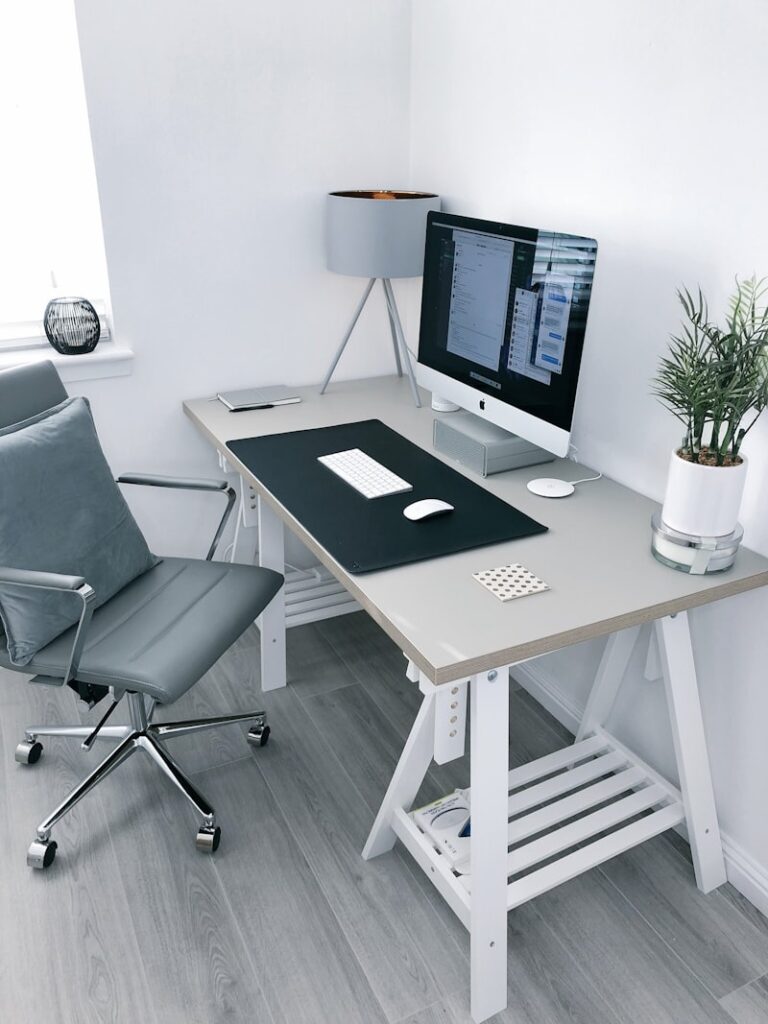

Let’s be real—working from a cramped dining room table gets old fast. If you’re tired of clearing away coffee mugs just to make room for your laptop, you need a dedicated workspace. Finding the best desk for home office environments isn’t just about picking something that looks nice on Instagram. It’s about protecting your posture, maximizing your daily output, and actually enjoying the space you work in.

I’ve spent years testing different furniture setups, from cheap particleboard tables that wobble every time you type, to high-end executive setups. There is a lot of garbage out there. When you’re building out a home office setup, your desk is the foundation of everything else you do. In this guide, I’m going to walk you through exactly what you need to look for, so you don’t waste your money.
Why Most Desks Ruin Your Posture
Have you ever noticed that your neck hurts by 2:00 PM? It probably has a lot to do with the height of your table. Most standard desks sold online are exactly 29 or 30 inches tall. That height is actually designed for someone who is over six feet tall! If you are shorter than that, a 30-inch desk forces you to shrug your shoulders up to your ears just to reach your keyboard.
According to the ergonomics experts at the Mayo Clinic, your elbows should rest comfortably at a 90-degree angle when you type. If you are shrugging, you’re pinching nerves and creating massive tension in your upper back. This is exactly why finding the best desk for home office use often means looking beyond standard fixed-height tables.
The Magic of the Adjustable Standing Desk
If you want my honest advice on finding the absolute best desk for home office productivity, buy a dual-motor standing desk. You don’t even have to use it to stand all day. The real magic of an electric desk is that you can adjust it down to 26 or 27 inches when you are sitting. This allows you to dial in the absolute perfect typing height for your specific body.
Look for frames made of heavy-duty steel. You want something that weighs at least 70 pounds out of the box. If the frame is too light, your monitors will shake violently every time you type an email. Brands like Uplift and Fully make phenomenal, heavy frames that stay rock solid even when raised to their maximum height.
Don’t Ignore the Desktop Material
The frame is important, but the surface you stare at all day matters just as much. A lot of budget desks on Amazon use hollow honeycomb cardboard with a thin plastic veneer slapped on top. The moment you spill a glass of water, that veneer bubbles up and ruins the desk forever.
Instead, try to find a desk that uses a solid wood butcher block, or at the very least, a high-density laminate. Solid wood is gorgeous, lasts a lifetime, and is heavy enough to absorb the vibrations from your keyboard. If you’re on a tight budget, you can actually buy a solid wood countertop from a local hardware store and attach it to a set of standing desk legs yourself!
Depth is More Important Than Width
When shopping for the best desk for home office setups, people always obsess over how wide the desk is. They want a massive 72-inch wide table. But here’s a massive secret: depth is way more important.
If you use two monitors, a standard 24-inch deep desk is going to force those screens right into your face. You’ll have zero room to rest your arms in front of your keyboard, and your eyes will burn from being so close to the backlight. You should always look for a desk that is at least 30 inches deep. This gives you plenty of room to push your monitors back and spread out your paperwork.
Wrapping It Up
Don’t rush this purchase. Take out a tape measure, see exactly how much room you have, and prioritize depth over width. If you can afford it, invest in an adjustable height frame so you can finally stop destroying your posture. Trust me, your neck and back will thank you later.